
A free hotel upgrade sounds simple.
You book a standard room, smile at the front desk, ask politely, and hope for a suite.
Sometimes that works.
Most of the time, it does not.
Here’s the truth about getting free hotel upgrades: the result depends less on charm and more on timing, availability, booking type, hotel status, room inventory, and how easy you make the decision for the front desk.
Most people get this wrong because they treat an upgrade like a favour they are entitled to receive.
They arrive during the busiest check-in period, mention a birthday, ask for the biggest suite in the hotel, and become disappointed when the answer is no.
That approach creates pressure.
A better strategy is to understand what the hotel can realistically offer and ask in a way that gives the staff room to help you.
Free hotel upgrades can include more than suites. You might receive a room on a higher floor, a better view, a renovated room, a corner room, a larger layout, club-lounge access, a balcony, or a better location away from elevators and ice machines.
Some of those upgrades can improve the stay more than extra floor space.
I’ve found that travelers who get upgraded regularly usually do several things well. They book directly, arrive at the right time, keep the request flexible, mention special occasions naturally, and treat the staff with respect.
They also understand that no strategy works every time.
Hotels cannot give away rooms that are sold, blocked, out of service, or reserved for paying guests and loyalty members. Your goal is not to force an upgrade. It is to improve your odds when a better room is genuinely available.
This guide explains how to get free hotel upgrades, when to ask, what to say, which bookings have the best chance, and what mistakes reduce your chances.
All pricing examples are shown in USD.
The Fundamentals of Hotel Upgrades
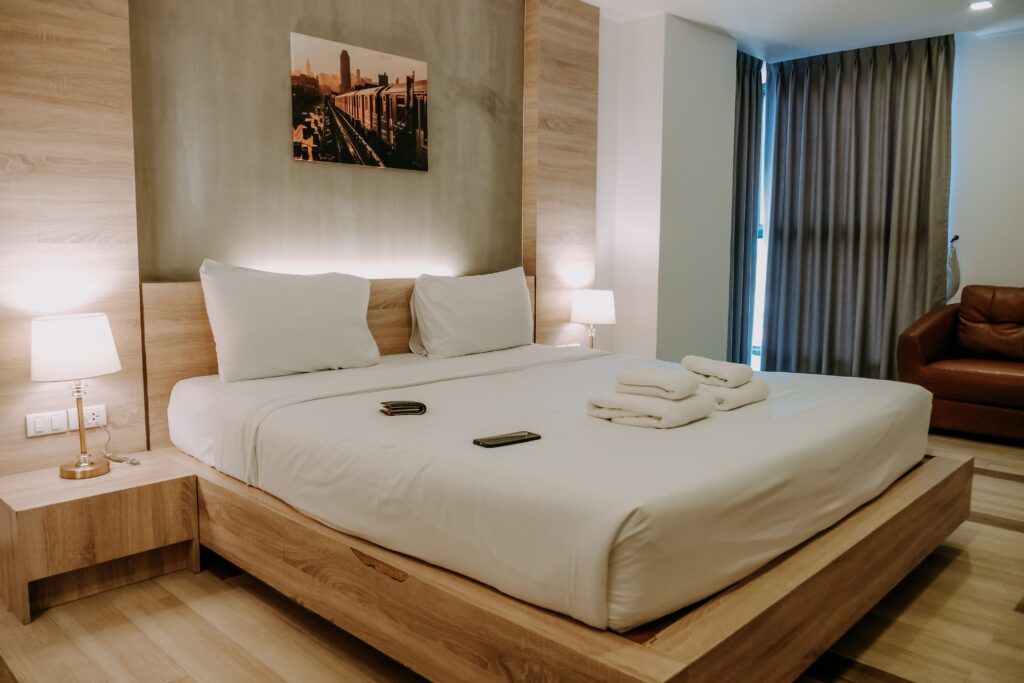
Before asking for a better room, you need to understand what an upgrade actually means.
Hotels usually have several room categories.
A typical structure might look like this:
- Standard room
- Deluxe room
- High-floor room
- City-view room
- Ocean-view room
- Larger corner room
- Club-level room
- Junior suite
- Full suite
- Premium suite
An upgrade may mean moving one category higher.
It does not always mean jumping from the cheapest room to the best suite in the building.
If you book a standard room worth $180 and receive a high-floor city-view room worth $220, that is still an upgrade. The hotel has given you $40 of extra value per night.
Over a three-night stay, that benefit is worth $120.
Complimentary and Paid Upgrades Are Different
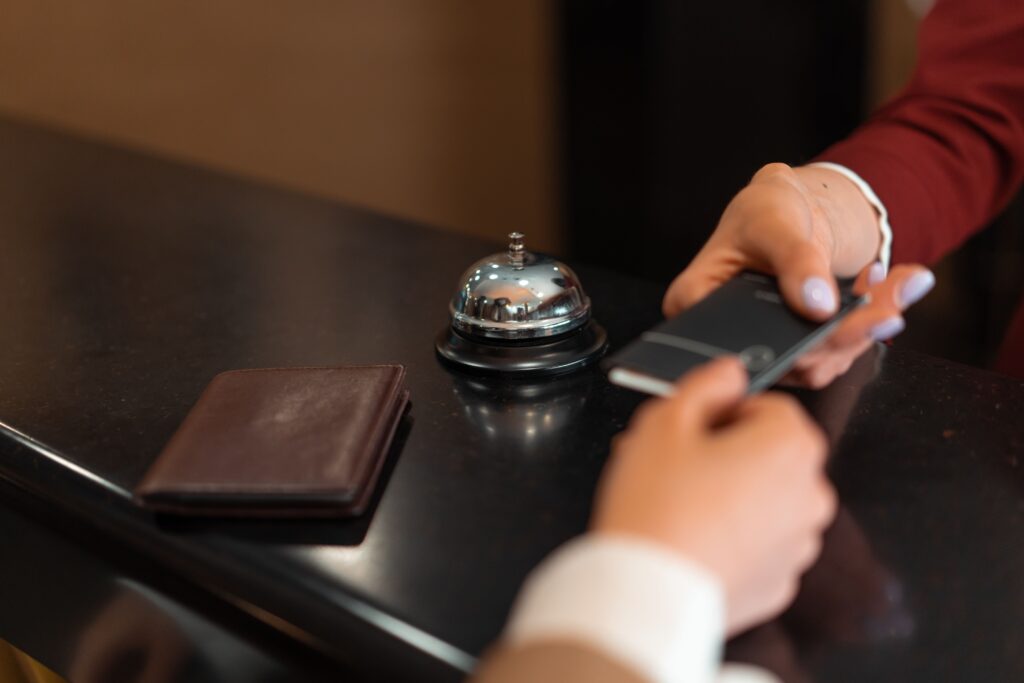
A complimentary upgrade costs nothing.
A paid upgrade may still be offered at a reduced rate.
For example:
- Standard room: $190 per night
- Junior suite: $320 per night
- Normal difference: $130
- Check-in upgrade offer: $45 per night
That is not free, but it may still be good value.
Sometimes the best result is not a free suite. It is a significantly discounted upgrade that would otherwise be outside your budget.
Decide in advance whether you are open to paying a small amount.
Hotels Upgrade Guests for Practical Reasons
Upgrades are not always rewards.
Hotels may move guests because:
- The booked room category is oversold
- A room has a maintenance problem
- The guest has loyalty status
- The hotel wants to recognise a repeat customer
- The stay is linked to a special occasion
- Better rooms are empty
- A higher room category is easier to assign
- The hotel wants to improve guest satisfaction
This is why timing and availability matter so much.
A nearly empty hotel has more room to be generous. A fully booked hotel does not.
A Better Room Is Not Always a Larger Room
Before asking, think about what would improve your stay.
You may care more about:
- A quiet room
- A better view
- A higher floor
- A balcony
- A renovated room
- A bathtub
- More natural light
- A room away from elevators
- Early access
- Late checkout
A flexible request gives the hotel more options.
Asking only for a suite makes it easier for the staff to say no.
Step-by-Step Blueprint for Getting a Free Hotel Upgrade
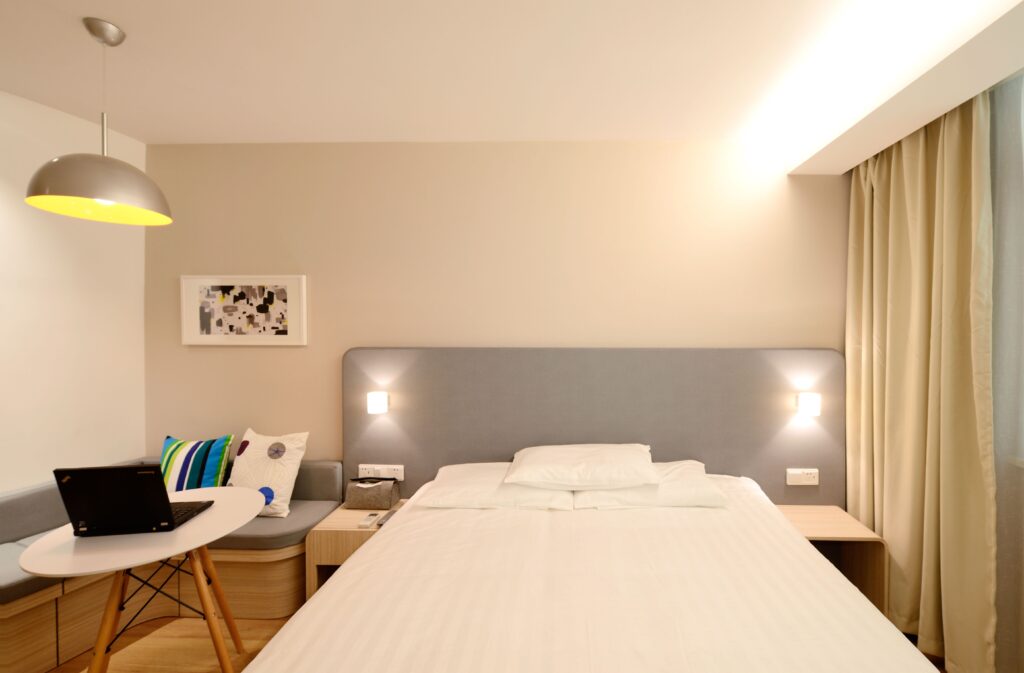
Use this process from booking to check-in.
Step 1: Choose the Right Hotel
Your odds of receiving an upgrade depend partly on the property.
A hotel with several room categories has more upgrade options than a small property where every room is nearly identical.
Look for hotels with:
- Multiple room types
- Higher-floor rooms
- View categories
- Club floors
- Junior suites
- Full suites
- Recently renovated sections
A hotel with 300 rooms may have more flexibility than a 20-room boutique property.
That does not mean large hotels always upgrade more often. Small hotels may offer more personal service. But a larger inventory usually creates more possible room moves.
Also consider demand.
Your chances may improve at:
- Business hotels on weekends
- Resort hotels during quieter weekdays
- City hotels outside major event dates
- Properties during shoulder season
- Hotels with low occupancy
Avoid expecting a free upgrade during:
- Major conferences
- Public holidays
- Festivals
- School vacations
- Sporting events
- New Year celebrations
- Sold-out weekends
When demand is high, premium rooms are more likely to be occupied by paying guests.
Step 2: Book the Right Rate
Not all bookings are treated equally.
Booking directly with the hotel may improve your chances because the property has more control over the reservation.
Direct bookings may also make it easier to:
- Add notes to the reservation
- Confirm special occasions
- Apply loyalty status
- Request room preferences
- Resolve problems
- Receive member benefits
Third-party bookings can still receive upgrades, but the hotel may prioritise direct guests, loyalty members, and higher-rate reservations.
Avoid assuming the cheapest non-refundable rate will receive the best treatment.
The hotel sees the booking details.
A guest paying $250 per night may be easier to upgrade than someone paying $140 through a heavily discounted channel. This is not a fixed rule, but the value of the reservation can influence decisions.
The best booking is usually one that balances price, flexibility, and benefits.
Step 3: Join the Hotel Loyalty Programme
Joining a hotel loyalty programme is often free.
Even entry-level membership may provide:
- Member-only rates
- Free Wi-Fi
- Preferred room assignment
- Mobile check-in
- Late checkout requests
- Upgrade eligibility
- Points toward future stays
Higher status levels can provide stronger upgrade benefits, but basic membership still signals that you are connected to the brand.
Make sure your membership number is attached to the reservation.
Do this before arrival.
Do not create a new account at the front desk and expect immediate special treatment. It may help, but advance preparation is better.
Step 4: Contact the Hotel Before Arrival
A short message before the stay can improve your chances.
Contact the hotel two to five days before arrival.
Keep the message polite and simple.
You can write:
“I’m looking forward to staying with you from Friday to Monday. If any complimentary room upgrades are available at check-in, I would be grateful if you could consider my reservation. A quiet room or a higher floor would also be appreciated.”
This works because it gives the hotel several ways to help.
Do not send a long emotional message or demand a specific suite.
If you are celebrating something genuine, mention it naturally.
For example:
“We are visiting for our wedding anniversary and are excited to stay at your property. If any complimentary upgrade or special room placement is available, we would really appreciate it.”
Special occasions do not guarantee anything.
Hotels receive anniversary, birthday, and honeymoon requests every day. The occasion may help when availability exists, but it does not create inventory.
Step 5: Arrive at the Right Time
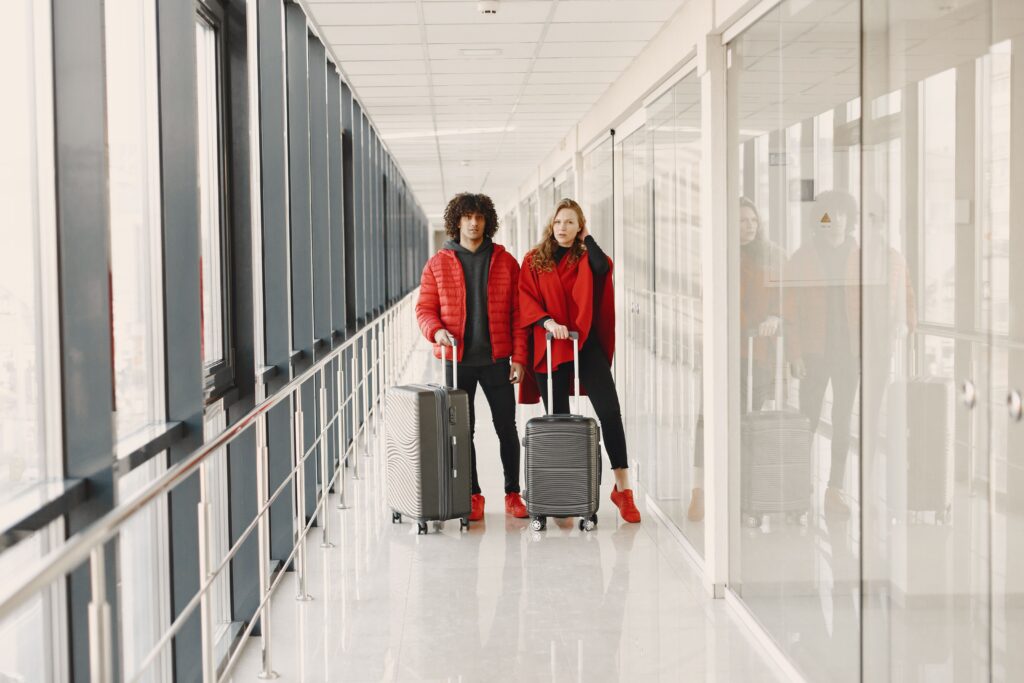
Timing can influence upgrade availability.
Arriving too early may reduce your chances because many rooms have not yet been cleaned or released.
At 10:00 a.m., the front desk may not know which guests will check out late or which rooms will become available.
Arriving too late also has drawbacks.
By 11:00 p.m., most rooms may already be assigned. The desk may have fewer choices and less flexibility.
Late afternoon or early evening can work well because:
- More departing guests have checked out
- Housekeeping has updated room status
- The hotel has a clearer occupancy picture
- Unused premium rooms may be visible
- Staff may know whether upgrades remain available
A reasonable target is often between 3:00 p.m. and 6:00 p.m., depending on the hotel’s check-in time.
This is not a guarantee.
If the hotel is busy, the best room may already be assigned to a loyalty member or paying guest.
Step 6: Ask Politely at Check-In
The wording matters.
Do not ask:
“Can you give me a free suite?”
That request is too narrow and can sound demanding.
Try:
“Would there happen to be any complimentary upgrades available today?”
Then stop talking.
Let the front desk check.
A stronger version is:
“If there are any better rooms available, such as a higher floor, nicer view, or larger room, I’d be very grateful.”
This gives the staff flexibility.
Keep your tone relaxed.
You are making a request, not negotiating a contract.
If the answer is no, respond politely.
You can say:
“No problem at all. Thank you for checking.”
Staff remember respectful guests. A room may become available later, or they may offer another benefit such as late checkout, a better location, or breakfast.
Step 7: Ask for Specific Non-Suite Improvements
A suite is not the only valuable result.
Ask whether any of these are available:
- Higher floor
- Better view
- Corner room
- Recently renovated room
- Larger room
- Quieter location
- Balcony
- Club-level room
- Room with a bathtub
- Room away from elevators
The hotel may not have a suite, but it may have a room that is clearly better than the one assigned.
This approach also sounds more reasonable.
A front desk employee may be comfortable moving you to a better view category even when a suite requires manager approval.
Step 8: Mention Problems Calmly and Early
Sometimes an upgrade happens because the original room has a genuine issue.
Common problems include:
- Strong noise
- Broken air conditioning
- Plumbing problems
- Unclean bathroom
- Smoke smell
- Incorrect bed type
- Missing booked feature
- Construction disturbance
Report the problem promptly.
Do not exaggerate or invent complaints to get a better room.
Explain the issue clearly:
“The air conditioning does not seem to be cooling the room, and we have already tried the controls. Could someone check it, or is another room available?”
Give the hotel a chance to fix the problem.
If the issue cannot be resolved, the property may move you to a better room. That move may be an upgrade, but the purpose is to correct the problem.
Expert Strategies That Can Improve Your Chances

These methods are not guaranteed, but they can create better opportunities.
1. Book a Room One Level Above the Cheapest Category
Booking the absolute cheapest room can limit your upgrade path.
Suppose the hotel has:
- Standard room: $170
- Deluxe room: $195
- Premium room: $240
- Junior suite: $310
Booking the deluxe room for an extra $25 may position you closer to premium rooms and suites.
The hotel may also be more willing to move a guest who has already booked above the entry category.
Do not overpay purely for upgrade hopes.
Use this strategy only when the slightly better booked room already provides value.
2. Stay for Fewer Nights
A one-night or two-night reservation can be easier to upgrade than a seven-night stay.
The hotel may have a suite available tonight but sold for the next four nights.
Moving a short-stay guest creates less inventory pressure.
This does not mean you should shorten your trip.
It simply explains why shorter reservations sometimes receive better rooms.
For longer stays, you could ask:
“If a better room becomes available for part of the stay, would a room change be possible?”
Only suggest this when you are willing to repack and move.
3. Travel During Low-Demand Periods
Upgrade chances improve when premium rooms are empty.
For a business hotel, weekends may be quieter.
For a beach resort, weekdays outside holiday periods may be less busy.
For a city hotel, winter or shoulder-season dates may offer more availability.
Check room prices before booking.
When suite prices are unusually low, that may indicate weak demand. It can also suggest that more premium inventory is available.
4. Build a Relationship With the Property
Repeat guests are valuable.
When you return to the same hotel, staff may recognise your preferences and booking history.
After a good stay:
- Leave a fair review
- Thank helpful staff
- Keep your loyalty profile updated
- Book directly next time
- Mention that you have stayed before
Do not demand special treatment because you are a repeat guest.
A simple statement is enough:
“I enjoyed my stay here last year, so I decided to return.”
That creates a positive context without pressure.
5. Use Special Occasions Honestly
Birthdays, anniversaries, engagements, and honeymoons can help when the hotel has room.
Mention the occasion before arrival and again briefly at check-in.
Do not expect a presidential suite.
A hotel may offer:
- Better room placement
- Small room upgrade
- Welcome drink
- Dessert
- Card
- Late checkout
- Breakfast
- Room decoration
These gestures can improve the stay even without a major upgrade.
Never invent a celebration.
Staff hear these requests regularly, and false claims are unnecessary.
6. Ask About Paid Upgrade Offers
When no free upgrade is available, ask:
“Are there any reduced-price upgrade options available today?”
Hotels sometimes offer unsold premium rooms at a lower price during check-in.
For example:
- Normal suite difference: $150 per night
- Check-in offer: $50 per night
- Two-night stay: $100 upgrade cost
That may be worthwhile for a special trip.
Set a maximum amount before asking.
Do not let the excitement of check-in push you into spending more than planned.
7. Ask for Late Checkout Instead

When a room upgrade is unavailable, late checkout may be more useful.
An extra two or three hours can help when you have:
- Evening flight
- Late train
- Business meeting
- Children
- No luggage storage
- Plans to use hotel facilities
You can say:
“I understand that an upgrade is not available. Would a complimentary late checkout be possible instead?”
Other alternatives may include:
- Free breakfast
- Drink vouchers
- Parking discount
- Lounge access
- Wi-Fi upgrade
- Better room location
Be realistic.
The hotel may not offer any additional benefit, especially during a busy period.
How Hotel Loyalty Status Affects Upgrades
Hotel status can improve your chances, but the fine print matters.
Some programmes advertise upgrades subject to availability.
That usually means:
- The hotel decides what is available
- Certain suites may be excluded
- Upgrades may be confirmed only at check-in
- Resort properties may follow different rules
- Award bookings may have different terms
- Peak dates may limit inventory
Status does not always mean a suite.
An upgrade may be:
- Better view
- Higher floor
- Preferred location
- Larger room
- Club-level room
- Next room category
Top-tier members may receive priority, but even they can be denied when the hotel is full.
Keep expectations realistic.
Credit Card and Travel Programme Benefits
Some premium travel cards and hotel booking programmes provide upgrade-related benefits.
These may include:
- Room upgrades when available
- Daily breakfast
- Property credit
- Early check-in
- Late checkout
- Welcome amenities
- Loyalty status
These benefits are not truly free if the card has a high annual fee or the booking rate is more expensive.
Compare the full cost.
Suppose:
- Standard hotel rate: $240 per night
- Special programme rate: $280 per night
- Difference for two nights: $80
The special rate includes:
- Breakfast worth $60
- $100 hotel credit
- Possible room upgrade
- Late checkout
That package may still provide strong value.
But if you will not use the breakfast or property credit, the higher rate may not make sense.
Common Mistakes That Reduce Upgrade Chances
Asking for Too Much
Requesting the hotel’s largest suite when you booked the cheapest room can sound unrealistic.
Ask for any available improvement.
Acting Entitled
Loyalty status, a special occasion, or a direct booking can support your request.
None of them gives you permission to treat staff badly.
Politeness helps. Pressure does not.
Arriving During a Rush
Front desk staff may be handling a long queue, phone calls, room problems, and arriving groups.
This is not the best time for a long upgrade conversation.
Keep the request short.
Checking In Too Early
The hotel may not know which premium rooms will be available later.
You can leave your luggage and return closer to normal check-in time.
Using Fake Complaints
Inventing a problem to force a room move is dishonest.
It can also waste staff time and harm your credibility.
Report only genuine issues.
Assuming a Special Occasion Guarantees a Suite
Hotels may have dozens of guests celebrating anniversaries and birthdays on the same night.
Mention the event, but do not build the trip around receiving something free.
Refusing a Small Upgrade
A better view or quieter room may significantly improve the stay.
Do not reject it simply because it is not a suite.
Forgetting to Add Preferences Before Arrival
Add requests such as high floor, quiet room, or king bed to your reservation in advance.
Preferences are not guarantees, but early notice gives the hotel more time to plan.
Booking Through an Unclear Third Party
The hotel may have limited ability to modify certain third-party reservations.
Make sure the booking is confirmed and your correct contact information is attached.
Trying to Bribe the Front Desk
Tipping practices differ by destination and property.
A genuine tip for good service is different from presenting cash as a condition for a free upgrade.
Do not create an awkward situation.
Ask politely and let the employee follow hotel policy.
Real-Life Free Hotel Upgrade Example
Imagine you are booking a two-night anniversary stay.
The hotel offers:
- Standard room: $210 per night
- Deluxe high-floor room: $245 per night
- Junior suite: $330 per night
You book the standard room directly and join the hotel’s free loyalty programme.
Three days before arrival, you send a short message mentioning the anniversary and asking whether a higher floor or better room might be available.
You arrive at 4:30 p.m., after the main housekeeping updates are complete.
At check-in, you say:
“We are excited to be here for our anniversary. Would there happen to be any complimentary upgrades available today? A higher floor or nicer view would be wonderful.”
The junior suites are sold out.
However, the front desk moves you to a deluxe high-floor room at no charge.
The normal price difference is $35 per night. Over two nights, the upgrade provides $70 in value.
The hotel also offers late checkout until 2:00 p.m.
You did not receive a suite.
You still received a better room, improved view, and extra time on departure day without paying more.
That is a successful upgrade request.
The Bottom Line
Getting a free hotel upgrade is about improving your odds, not expecting a guaranteed reward.
Book carefully, join the loyalty programme, contact the property before arrival, check in at a sensible time, and keep your request flexible. Ask politely for any better room rather than demanding a suite.
Mention genuine special occasions and report real room problems calmly.
When a free upgrade is not available, consider a discounted upgrade, better view, late checkout, breakfast, or another useful benefit.
The best approach is simple.
Be prepared, be respectful, and give the hotel several easy ways to improve your stay.